CNC Machined 6061 Aluminum Automotive Chassis Brackets
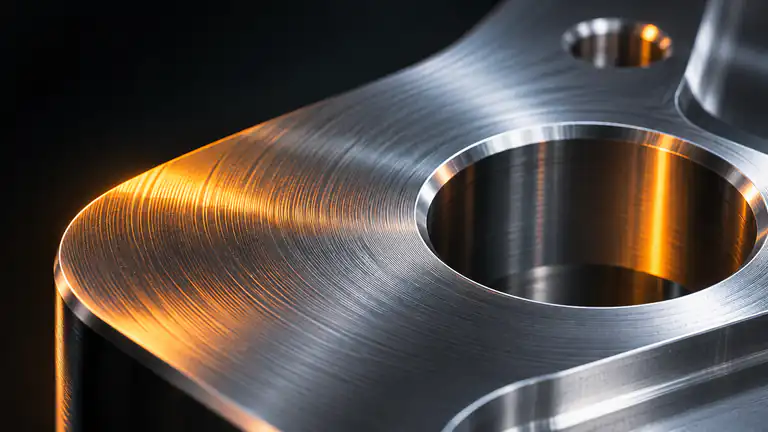
These are CNC machined 6061-T6 aluminum brackets and mounting plates for automotive chassis, engine bay and interior assemblies. They are milled from plate or extrusion, drilled and tapped, deburred and finished by anodizing or powder coating. The parts serve vehicle builders, tier suppliers and aftermarket brands that need lightweight structural brackets to OEM drawings.
- Material
- Aluminum
- Tolerance
- to ±0.005 mm
- MOQ
- 1 piece
- Prototype lead time
- 3–7 days
- Lightweight 6061-T6 structural brackets
- Holes positioned from one datum for bolt-on fit
- Anodized or powder coated for underbody use
- Optional thread inserts for repeated assembly
Item ref. 1600222608386 ·
| Process | 3-axis CNC milling, drilling, tapping, insert installation |
|---|---|
| Materials | Aluminum 6061-T6, 5052, 7075-T6 |
| Surface Finish | Clear or black anodizing, powder coating, sandblasting |
| Tolerance | ±0.05 mm standard; down to ±0.005 mm on critical features |
| MOQ | 1 piece; prototypes through mid-volume runs |
| Drawing Formats | STEP, IGES, X_T, STL, DWG, DXF, PDF |
| Lead Time | Prototypes typically 3–7 working days; production usually 10–20 |
| Inspection | FAI, in-process checks, 100% critical dimensions; CMM |
Manufacturing
How we make this part
Process, material options and inspection for cnc machined 6061 aluminum automotive chassis brackets.
Plate brackets are nested on 3-axis mills to reduce material waste, then flipped for second-side operations on dedicated fixtures. L-shaped and U-shaped parts are machined from extrusion to avoid bending cracks in T6 temper. Mounting holes and threads are positioned from a single datum so the bracket bolts on without reaming. Thread inserts can be installed for repeated assembly.
6061-T6 balances strength (yield about 276 MPa), weldability and corrosion resistance, which makes it the default for chassis brackets. 5052 suits formed sheet parts, while 7075 is reserved for highly stressed parts. Clear or black Type II anodizing protects against corrosion; powder coating gives a thicker, chip-resistant layer for underbody parts. Stainless fasteners should be isolated to limit galvanic corrosion.
Hole positions and flatness are checked on first articles with a CMM, then monitored with gauges during production. Critical dimensions are inspected before shipment, and material certificates are available. Typical brackets include radiator and intercooler mounts, battery trays, ECU plates, sensor brackets and seat or interior mounting plates for production and conversion vehicles.
FAQ
Frequently asked questions
Why machine aluminum brackets instead of bending sheet?
Machining from plate or extrusion keeps the full T6 strength and allows varying thickness, pockets and bosses in one part. Bent sheet is cheaper for simple shapes, but 6061-T6 can crack at tight bends and holes may shift after forming. For low and mid volumes, machined brackets also avoid the cost of bending tools.
Anodizing or powder coating for aluminum chassis brackets?
Anodizing is thin, around 5–25 µm, keeps dimensions tight and resists corrosion well, but it can scratch. Powder coating is thicker, typically 60–100 µm, and resists stone chips better, which helps underbody parts. Mask threads and contact faces for either finish if electrical grounding or precise fits are needed.
How do I get a quote for cnc machined 6061 aluminum automotive chassis brackets?
Send a 3D model (STEP or IGES) and a 2D drawing with tolerances, material, finish and quantity through the quote form or by email. An engineer replies within 24 hours on business days with price, lead time and any DFM suggestions.
Request a quote
Quote this part
Attach drawings or send several parts at once from the full quote form.
- Emailinquiry@machined-parts-factory.com
- WhatsApp+86 176 2154 1688
- Phone+86 176 2154 1688
- HoursMon–Sat, 08:30–18:00 China Standard Time (UTC+8)