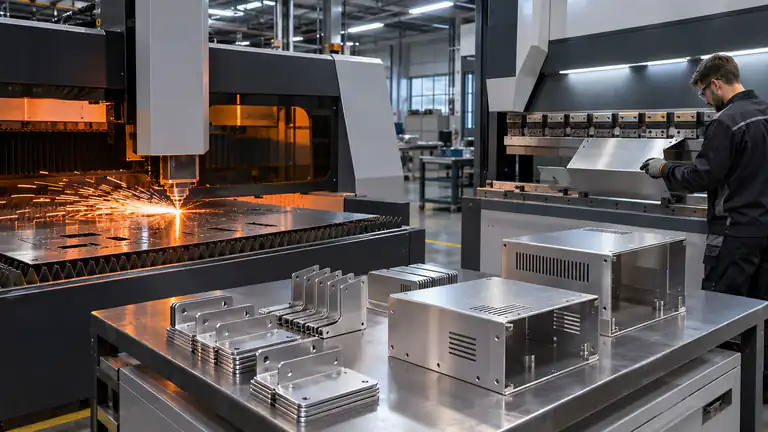
Engineering Guides — 7 min readSheet metal is usually cheaper for uniform-wall enclosures and brackets, while CNC machining wins on varying thickness and tight tolerances. This guide compares both and explains bend radius and K-factor basics.
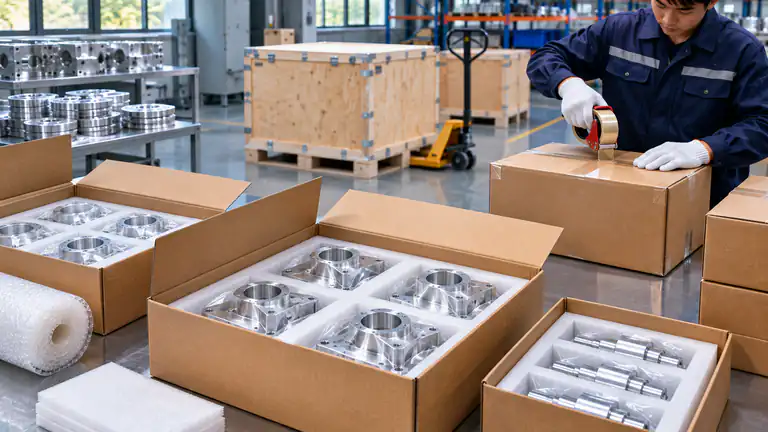
Sourcing — 7 min readMost quality problems with imported machined parts come from requirements that were never written down. This guide walks through the RFQ package, first article approval, inspection documents, Incoterms and shipping.
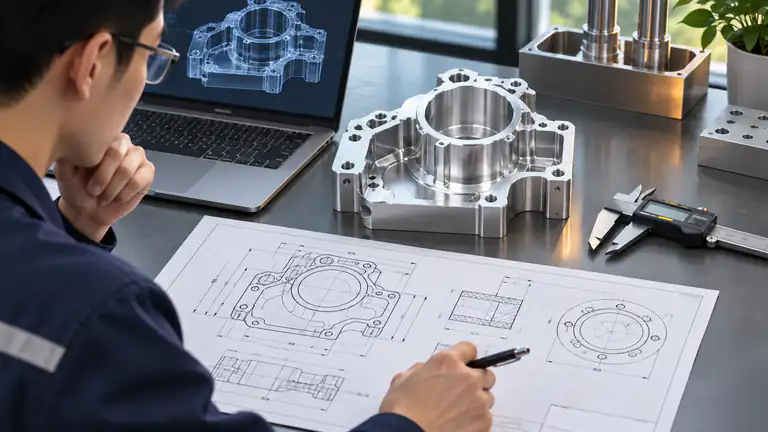
Engineering Guides — 7 min readMost of the cost of a machined part comes from machine time, setups and inspection rather than material. These 12 design rules target each of them without changing how the part works.
Engineering Guides — 7 min readMore axes mean fewer setups and access to more angles, but also a higher hourly rate. This guide explains what each machine type does and when 5-axis machining actually lowers the cost of a part.
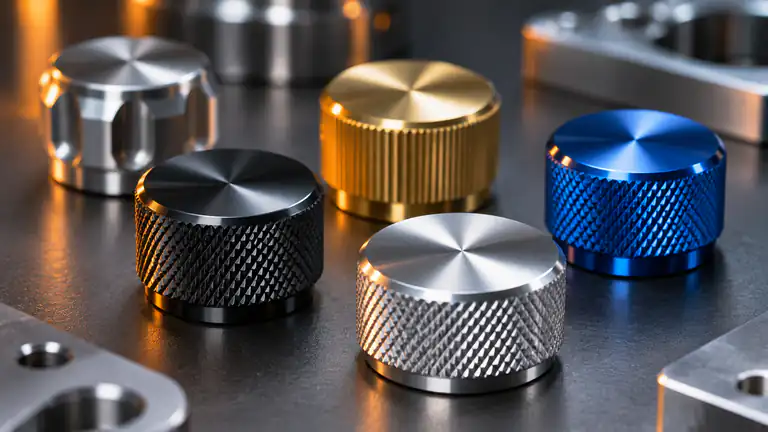
Surface Finishing — 7 min readAnodizing grows into and out of the aluminum surface, which changes bores, shafts and threads. This guide covers Type II and Type III thickness, masking, color control and how to call out anodizing correctly.
Materials — 6 min read7075-T6 is far stronger than 6061-T6, but it is not stiffer, it does not weld and it costs more. This comparison shows when each alloy is the right choice for machined parts.
Engineering Guides — 8 min readTighter tolerances do not raise cost in a straight line; they raise it in steps as process and inspection change. This guide explains what ±0.05, ±0.01 and ±0.005 mm really demand and how to call tolerances out on a drawing.