CNC Milled and Turned Aluminum Sensor Housing
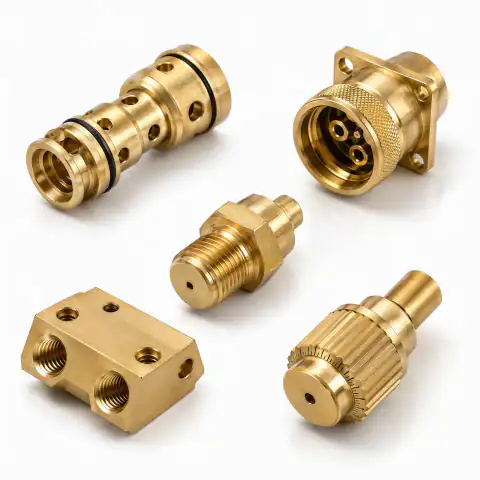
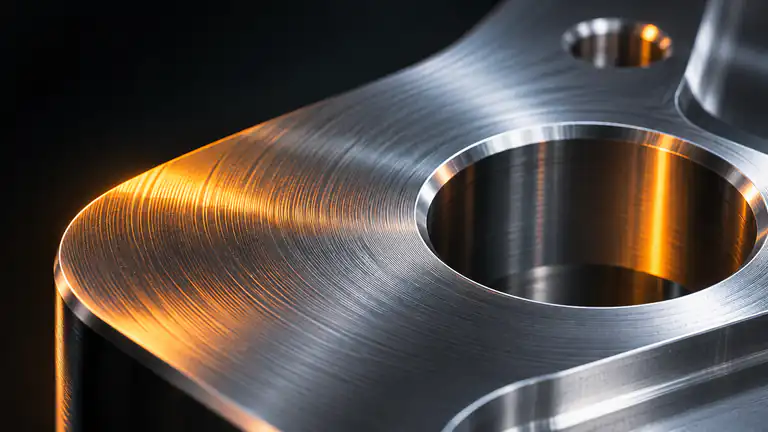
This is a cylindrical or prismatic sensor housing produced by combined CNC turning and milling from 6061 aluminum or stainless steel. Sensor bores, O-ring grooves, cable glands and mounting threads are machined to drawing, with critical features held down to ±0.01 mm. It is for sensor, instrument and automation companies who need sealed housings that protect electronics in harsh environments.
- Material
- Aluminum
- Tolerance
- to ±0.005 mm
- MOQ
- 1 piece
- Prototype lead time
- 3–7 days
- Concentric bore, threads and O-ring grooves
- Smooth groove finish for reliable sealing
- Sandblast anodize or 316 stainless
- Leak testing available on request
Item ref. 1600352296171 ·
| Process | CNC turning and CNC milling (turn-mill) |
|---|---|
| Materials | Aluminum 6061-T6; stainless steel 304/316 |
| Tolerance | ±0.05 mm standard; down to ±0.01 mm on bores |
| Surface Finish | Sandblasting, anodizing, hard anodizing, powder coating |
| MOQ | 1 piece |
| Drawing Formats | STEP, IGES, X_T, STL, DWG, DXF, PDF |
| Lead Time | Prototypes ~3–7 working days; production typically 10–20 working days |
| Inspection | First-article + 100% critical-dimension inspection; CMM report on request |
| Typical Features | O-ring grooves, cable gland threads, connector pockets |
Manufacturing
How we make this part
Process, material options and inspection for cnc milled and turned aluminum sensor housing.
Turning produces the main bore, outside diameter, threads and O-ring grooves concentric to one axis, which is what keeps seals effective. Milling then adds wrench flats, connector pockets, mounting holes and laser-engraving areas. Turn-mill centers combine both on suitable geometries. O-ring grooves are cut to standard dimensions and finished smooth, because tool marks across a sealing surface create leak paths.
6061 aluminum is light, machines fast and protects well after sandblasting and Type II anodizing. Hard anodize is a good choice for housings exposed to abrasion. For washdown, marine or chemical exposure, 316 stainless steel is more robust, and it can be passivated or bead-blasted. Powder coating is an option for outdoor color requirements but should be masked on threads and sealing faces.
Groove dimensions and surface finish are verified at first article, and bores are checked with bore gauges. Threads are gauged after anodizing. If you need sealing performance verified, leak testing can be arranged to your specification. Typical uses include proximity sensor bodies, pressure transmitter housings, camera modules, flow meter bodies and IoT node enclosures.
FAQ
Frequently asked questions
What surface finish do O-ring grooves need?
Static O-ring grooves are commonly specified around Ra 1.6 µm or smoother on groove walls, with sealing faces finer for dynamic or gas seals. We follow the roughness on your drawing and verify it with a roughness tester at first article. Tool marks across the seal path are avoided.
Should I choose anodized aluminum or stainless for an outdoor sensor?
Anodized aluminum works well for most outdoor and industrial use and keeps weight down. Choose 316 stainless for marine environments, frequent high-pressure washdown, aggressive chemicals or where impact resistance is critical. Stainless costs more to machine.
How do I get a quote for cnc milled and turned aluminum sensor housing?
Send a 3D model (STEP or IGES) and a 2D drawing with tolerances, material, finish and quantity through the quote form or by email. An engineer replies within 24 hours on business days with price, lead time and any DFM suggestions.
Request a quote
Quote this part
Attach drawings or send several parts at once from the full quote form.
- Emailinquiry@machined-parts-factory.com
- WhatsApp+86 176 2154 1688
- Phone+86 176 2154 1688
- HoursMon–Sat, 08:30–18:00 China Standard Time (UTC+8)