CNC Milled Thin-Wall Aluminum Enclosure and Heat Sink
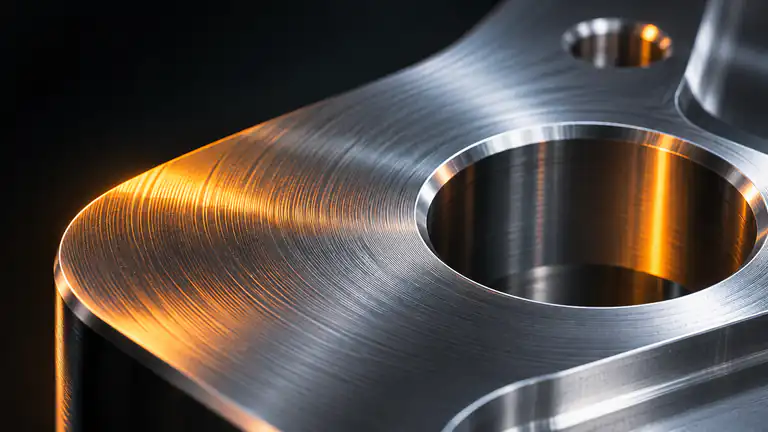
This is a CNC milled aluminum enclosure or heat sink with thin walls and fins, cut from solid 6061-T6 or 6063 plate. It is produced on 3- and 4-axis machining centers with finishing passes that control wall distortion, then anodized or sandblasted. It is intended for electronics, LED and power-supply designers who need machined housings rather than extrusions.
- Material
- Aluminum
- Tolerance
- to ±0.005 mm
- MOQ
- 1 piece
- Prototype lead time
- 3–7 days
- Wall thickness down to about 0.8 mm in aluminum
- Fins and pockets milled from solid 6061 or 6063
- Bare thermal pads by masking during anodizing
- Prototype enclosures from a single piece
Item ref. 1601989126985 ·
| Process | 3- and 4-axis CNC milling, drilling, tapping |
|---|---|
| Materials | Aluminum 6061-T6, 6063, 5052; copper for heat spreaders |
| Surface Finish | Type II color anodizing, sandblasting, brushing, laser marking |
| Min. Wall | About 0.8–1.0 mm, geometry dependent |
| Tolerance | ±0.05 mm standard; down to ±0.005 mm on critical features |
| MOQ | 1 piece; prototypes through mid-volume runs |
| Drawing Formats | STEP, IGES, X_T, STL, DWG, DXF, PDF |
| Lead Time | Prototypes typically 3–7 working days; production usually 10–20 |
| Inspection | FAI, in-process checks, 100% critical dimensions; CMM |
Manufacturing
How we make this part
Process, material options and inspection for cnc milled thin-wall aluminum enclosure and heat sink.
Thin walls, typically down to about 0.8–1.0 mm in aluminum, are milled with rough, rest and finish passes so the part does not spring once clamping is released. Deep pockets are cut with long-reach end mills at reduced step-down, and fins are machined in pairs to balance cutting forces. Fixtures are often vacuum or soft-jaw types to support the walls during finishing.
6061-T6 is the default: strong, easy to machine and well suited to anodizing. 6063 conducts heat better, roughly 200 W/m·K against about 167 W/m·K for 6061, which helps passive heat sinks, but it is softer and burrs more. Type II anodizing adds 5–25 µm and slightly reduces thermal transfer at mating faces, so contact pads are often masked or left bare.
Wall thickness, flatness of the mounting face and thread positions are checked at first article, with CMM used for bore and hole patterns. Each order is inspected on critical dimensions before packing. Typical applications include amplifier and controller enclosures, LED driver housings, RF shields and heat sinks for MOSFETs or CPUs where a custom footprint rules out standard extrusions.
FAQ
Frequently asked questions
How thin can you mill the walls of an aluminum enclosure?
Around 0.8–1.0 mm is practical for most enclosures, depending on wall height and length. A short wall can go thinner; a tall unsupported wall needs more thickness or ribs to avoid chatter and springback. Send the model and we will flag any walls that need adjustment before quoting.
Is a machined heat sink better than an extruded one?
Not thermally by itself; the alloy decides conductivity. A machined heat sink wins when you need a custom footprint, mounting bosses, pockets for components or fins in two directions that extrusion cannot make. For simple straight fins in large volumes, an extrusion cut to length is usually cheaper.
How do I get a quote for cnc milled thin-wall aluminum enclosure and heat sink?
Send a 3D model (STEP or IGES) and a 2D drawing with tolerances, material, finish and quantity through the quote form or by email. An engineer replies within 24 hours on business days with price, lead time and any DFM suggestions.
Request a quote
Quote this part
Attach drawings or send several parts at once from the full quote form.
- Emailinquiry@machined-parts-factory.com
- WhatsApp+86 176 2154 1688
- Phone+86 176 2154 1688
- HoursMon–Sat, 08:30–18:00 China Standard Time (UTC+8)