5-Axis Turn-Mill Machined Aluminum Alloy Components
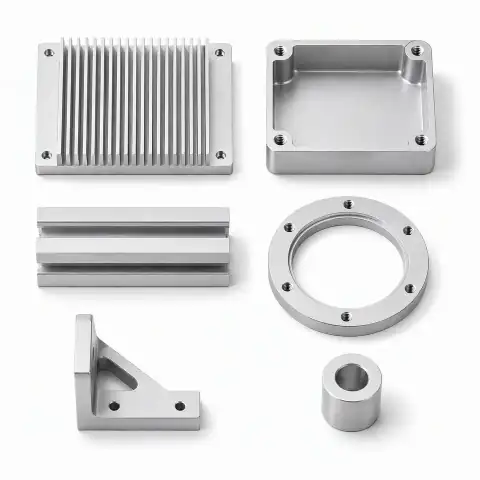
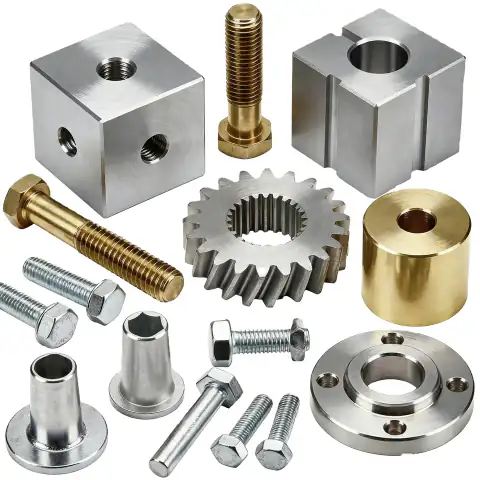
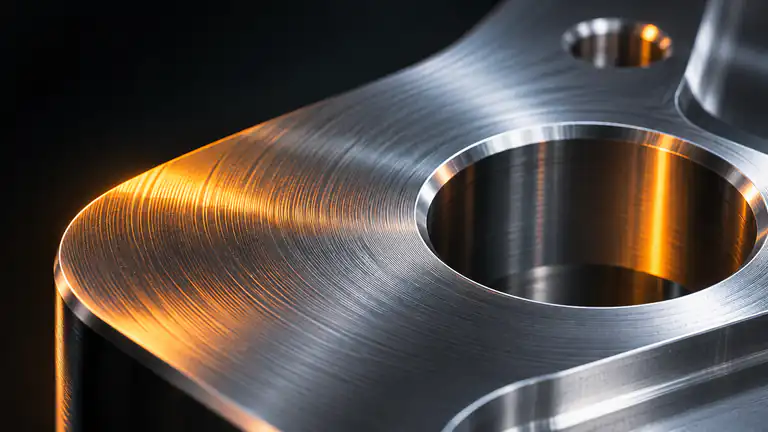
These are complex aluminum alloy components that combine turned diameters with milled features at angles, produced on turn-mill and 5-axis CNC equipment. Typical parts include round housings with side ports, angled bosses or flats. Critical features hold down to ±0.01 mm. Brass, stainless steel and titanium versions are possible. They suit engineers whose round parts need off-axis features.
- Material
- Aluminum
- Tolerance
- to ±0.005 mm
- MOQ
- 1 piece
- Prototype lead time
- 3–7 days
- Turning and 5-axis milling without re-clamping
- Sub-spindle finishing of the back face
- Off-axis ports, bosses and flats
- Angular feature relationships checked on CMM
Item ref. 1600766622468 ·
| Process | Turn-mill and 5-axis CNC machining |
|---|---|
| Materials | Aluminum 6061-T6/7075-T6/2024; brass; stainless steel; titanium |
| Tolerance | ±0.05 mm standard; down to ±0.01 mm on critical features |
| Surface Finish | Anodizing, sandblasting, polishing, plating |
| MOQ | 1 piece |
| Drawing Formats | STEP, IGES, X_T, STL, DWG, DXF, PDF |
| Lead Time | Prototypes ~3–7 working days; production typically 10–20 working days |
| Inspection | First-article + 100% critical-dimension inspection; CMM report on request |
Manufacturing
How we make this part
Process, material options and inspection for 5-axis turn-mill machined aluminum alloy components.
Turn-mill centers have a spindle that rotates the part for turning and a milling head that can tilt, so a single machine performs lathe work and 5-axis milling. The part is turned, then milled with angled holes, pockets or contoured faces without leaving the chuck. Sub-spindles transfer the part to finish the back face. One setup removes the re-clamping error that plagues multi-machine routes.
6061-T6 aluminum is the default for these parts thanks to its machinability and corrosion resistance after anodizing; 7075-T6 is chosen for stronger parts, and 2024 for fatigue-sensitive designs. Anodizing protects the surface and colors it, but tight bores may need masking. Brass versions suit fluid parts, stainless suits wet environments, and titanium suits weight-critical uses.
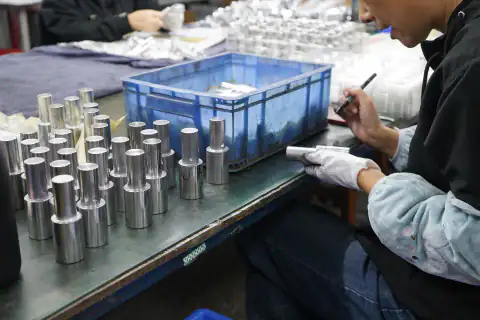
First articles are measured on CMM, including the angular relationships between turned and milled features. Production checks include in-process gauging and 100% inspection of critical dimensions before packing. Typical uses include camera lens housings, manifold-style connectors, sensor bodies with angled ports, medical handpiece parts, robot wrist components and drone motor mounts.
FAQ
Frequently asked questions
What is the advantage of turn-mill over separate turning and milling?
Turn-mill machines complete the part in one setup, so turned diameters and milled features share one datum without re-clamping. That improves accuracy between features, reduces handling and often lowers total cost on complex round parts, even though the machine rate is higher.
Which parts benefit most from turn-mill machining?
Round parts with features off the main axis: angled holes, side ports, milled flats, cams or contoured faces. Simple turned parts are cheaper on a standard lathe, and prismatic parts are better on a milling center. We choose the route per drawing.
How do I get a quote for 5-axis turn-mill machined aluminum alloy components?
Send a 3D model (STEP or IGES) and a 2D drawing with tolerances, material, finish and quantity through the quote form or by email. An engineer replies within 24 hours on business days with price, lead time and any DFM suggestions.
Request a quote
Quote this part
Attach drawings or send several parts at once from the full quote form.
- Emailinquiry@machined-parts-factory.com
- WhatsApp+86 176 2154 1688
- Phone+86 176 2154 1688
- HoursMon–Sat, 08:30–18:00 China Standard Time (UTC+8)