Aluminum Die Casting with CNC Machining for Appliances
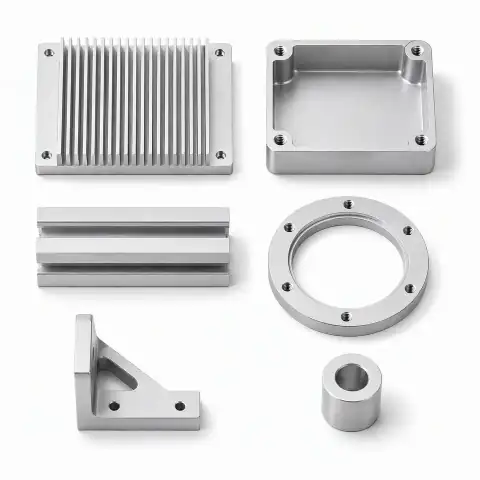
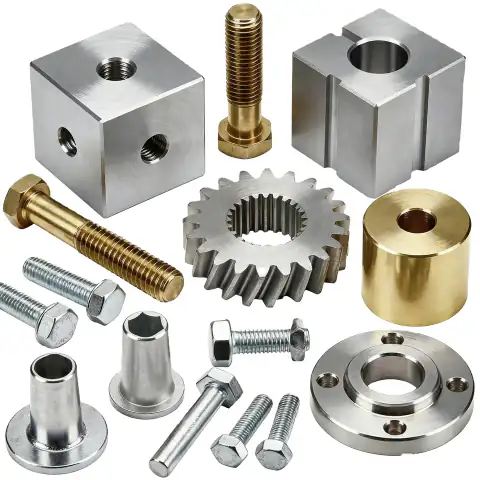
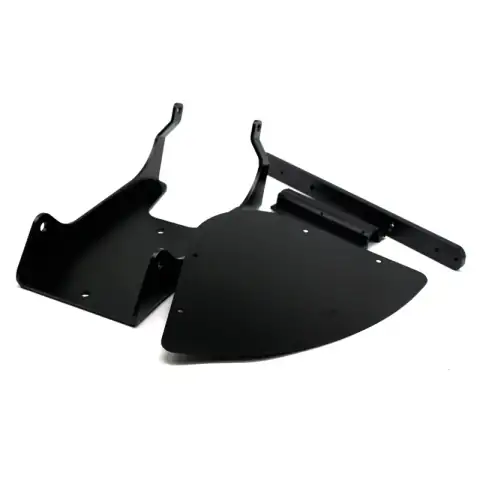
This is a combined aluminum die casting and CNC machining service for household appliance parts such as motor housings, pump covers, brackets and heat-sink bodies. The die casting forms the near-net shape at low unit cost, and CNC machining finishes bores, threads and sealing faces. It suits appliance makers with ongoing volumes who need cast parts delivered ready to assemble.
- Material
- Aluminum
- Tolerance
- to ±0.005 mm
- MOQ
- 1 piece
- Prototype lead time
- 3–7 days
- Near-net die-cast shapes at low unit cost
- CNC-finished bores, threads and sealing faces
- ADC12 and A380 die-casting alloys
- Sandblasting, powder coating or painting
Item ref. 1601068907192 ·
| Process | High-pressure aluminum die casting, trimming, CNC machining |
|---|---|
| Materials | Die-cast aluminum ADC12, A380; 6061 for machined prototypes |
| Surface Finish | Sandblasting, powder coating, painting, oxidation |
| Tooling | Steel die, machined and EDM finished |
| Tolerance | ±0.05 mm standard; down to ±0.005 mm on critical features |
| MOQ | 1 piece; prototypes through mid-volume runs |
| Drawing Formats | STEP, IGES, X_T, STL, DWG, DXF, PDF |
| Lead Time | Prototypes typically 3–7 working days; production usually 10–20 |
| Inspection | FAI, in-process checks, 100% critical dimensions; CMM |
Manufacturing
How we make this part
Process, material options and inspection for aluminum die casting with cnc machining for appliances.
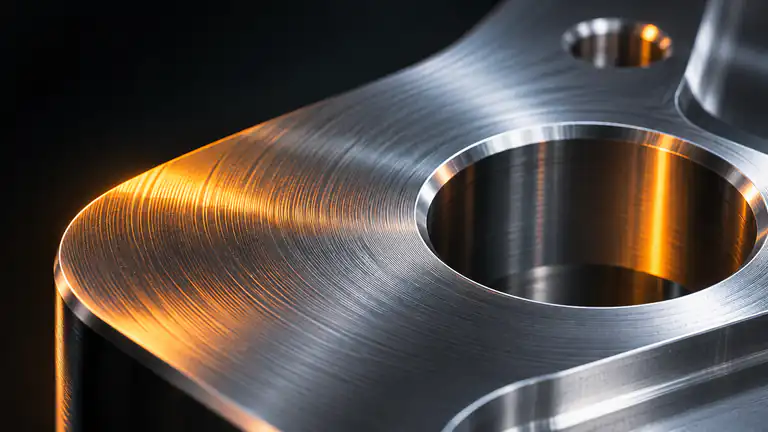
A steel die is machined and EDM finished, then mounted on a cold-chamber die casting machine. Molten aluminum is injected at high pressure, cooled and ejected. Gates and overflows are trimmed, and parts are shot blasted. CNC machining then cuts bearing bores, threaded holes and gasket faces, using fixtures that locate on cast datum features so every part is machined the same way.
ADC12 and A380 are the common die-casting alloys: fluid, pressure-tight and economical, though they anodize poorly because of high silicon content. For anodized appearance parts, sandblasting followed by a controlled finish, powder coating or painting is usually better. Porosity can appear in thick sections; designing uniform walls and impregnation reduce leakage risk on pressure parts.
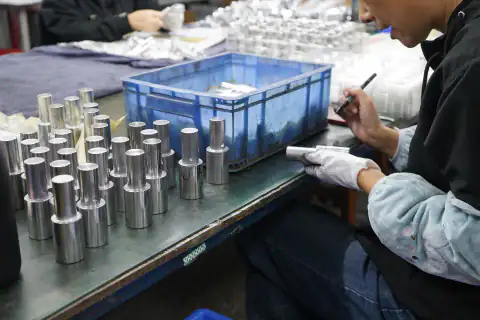
First castings are checked for dimensions, porosity and surface defects, and machined features are inspected with CMM and gauges. Critical dimensions are checked on every lot. Typical products include fan motor housings, pump housings, gearbox covers, heat sinks for appliance electronics, coffee machine brackets and decorative appliance trims produced in recurring medium and high volumes.
FAQ
Frequently asked questions
Can die-cast aluminum be anodized?
It can, but results are usually poor. Die-casting alloys such as ADC12 contain a lot of silicon, which produces a dark, uneven, blotchy anodized layer. For appearance parts, powder coating or painting gives a better result. If anodizing is essential, machining from 6061 or using a low-silicon casting alloy is better.
What volume makes die casting worth it?
Die casting needs a steel die, which is a significant investment, so it pays off at higher annual volumes, typically thousands of parts or more. For prototypes and small runs, CNC machining from billet is cheaper. Many appliance programs machine early parts, then switch to die casting once the design is stable.
How do I get a quote for aluminum die casting with cnc machining for appliances?
Send a 3D model (STEP or IGES) and a 2D drawing with tolerances, material, finish and quantity through the quote form or by email. An engineer replies within 24 hours on business days with price, lead time and any DFM suggestions.
Request a quote
Quote this part
Attach drawings or send several parts at once from the full quote form.
- Emailinquiry@machined-parts-factory.com
- WhatsApp+86 176 2154 1688
- Phone+86 176 2154 1688
- HoursMon–Sat, 08:30–18:00 China Standard Time (UTC+8)