CNC Machined Carbon Fiber and Titanium Robot Parts
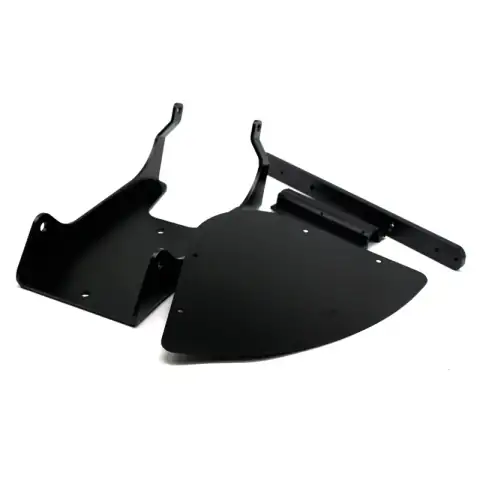
These are CNC machined robot parts in 3K carbon fiber, titanium, aluminum and stainless steel, such as arm plates, end-effector frames, leg links and sensor mounts. Carbon fiber is CNC cut from sheet; metals are milled and turned with PVD, polishing or anodizing finishes. All parts receive dimensional inspection on CMM. They suit robotics teams needing light, stiff structures.
- Material
- Carbon Fiber
- Tolerance
- to ±0.005 mm
- MOQ
- 1 piece
- Prototype lead time
- 3–7 days
- 3K carbon fiber cut without fraying edges
- Titanium Gr5 and stainless joints and fasteners
- PVD, polished or anodized metal finishes
- 100 % critical-dimension inspection with CMM
Item ref. 1601284093977 ·
| Process | CNC routing of carbon fiber, CNC milling, CNC turning |
|---|---|
| Materials | 3K carbon fiber; titanium Gr5; aluminum 6061, 7075; stainless steel 304 |
| Tolerance | ±0.05 mm standard; down to ±0.005 mm on critical features |
| Surface Finish | PVD, polishing, anodizing, as-cut carbon edges |
| Samples | Typically within about 7 days |
| MOQ | 1 piece; prototypes through mid-volume |
| Drawing Formats | STEP, IGES, X_T, STL, DWG, DXF, PDF |
| Lead Time | Prototypes typically 3–7 working days; production 10–20 |
| Inspection | First-article, in-process and CMM checks; reports on request |
Manufacturing
How we make this part
Process, material options and inspection for cnc machined carbon fiber and titanium robot parts.
Carbon fiber plates are CNC routed with diamond-coated or carbide tools, using dust extraction and controlled feeds to avoid fraying and delamination at edges. Holes for bearings or fasteners can be fitted with metal inserts. Titanium and stainless parts are milled and turned with rigid setups and lower speeds, while aluminum parts are produced quickly. Mixed-material assemblies are checked for fit together.
3K carbon fiber is very light and stiff, ideal for arm plates and frames, but it is weak in bearing loads at holes, so inserts help. Titanium Gr5 is strong, light and corrosion resistant for joints and fasteners. Aluminum 6061 or 7075 is a cost-effective structure material. PVD coatings add color and wear resistance to metal parts, and polishing gives a refined surface.
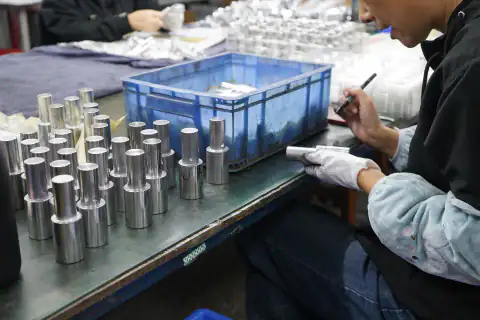
Every part receives 100 % inspection of critical dimensions, with CMM reports available. Carbon fiber edges are inspected for delamination, and metal surfaces for finish quality. Samples are typically available within about 7 days. Typical uses include robot arm links, quadruped robot legs, end-of-arm tools, camera mounts and lightweight frames for mobile robots.
FAQ
Frequently asked questions
Is carbon fiber better than aluminum for robot arms?
Carbon fiber is lighter and stiffer for flat plates and tubes, reducing motor loads, but it is more expensive and weaker at bolted holes. Aluminum is cheaper, easier to machine and handles local loads better. Many robots combine carbon plates with aluminum or titanium joints.
What is PVD coating used for on robot parts?
PVD, or physical vapor deposition, adds a thin, hard coating that improves wear resistance and gives colors such as black, gold or gunmetal. It is common on titanium and stainless parts that need a durable, decorative finish without changing dimensions much.
How do I get a quote for cnc machined carbon fiber and titanium robot parts?
Send a 3D model (STEP or IGES) and a 2D drawing with tolerances, material, finish and quantity through the quote form or by email. An engineer replies within 24 hours on business days with price, lead time and any DFM suggestions.
Request a quote
Quote this part
Attach drawings or send several parts at once from the full quote form.
- Emailinquiry@machined-parts-factory.com
- WhatsApp+86 176 2154 1688
- Phone+86 176 2154 1688
- HoursMon–Sat, 08:30–18:00 China Standard Time (UTC+8)