CNC Milled Copper and Aluminum Robotics Components
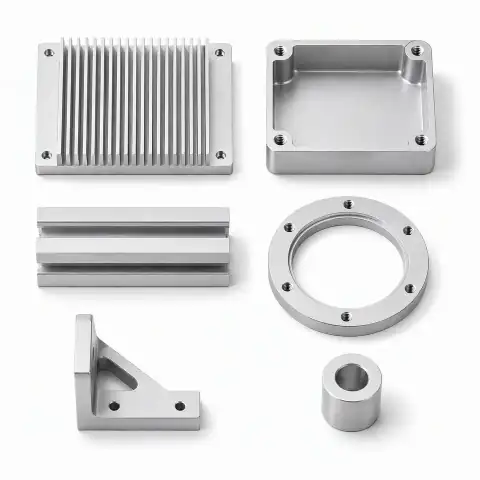
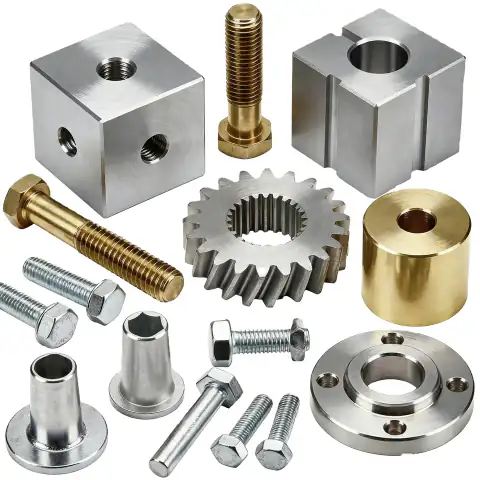
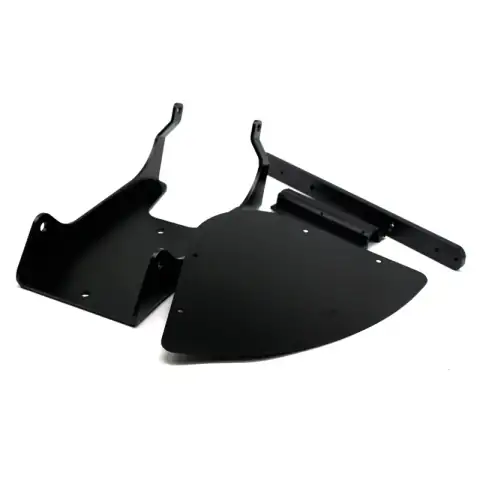
These are CNC milled components for robots and automated machinery, including joint housings, motor mounts, harmonic-drive adapters, gripper fingers and copper heat spreaders for servo drives. We machine them in aluminum, copper and stainless steel on 3-, 4- and 5-axis centers. They serve robotics developers and automation OEMs who need precise, lightweight mechanical and thermal parts.
- Material
- Aluminum
- Tolerance
- to ±0.005 mm
- MOQ
- 1 piece
- Prototype lead time
- 3–7 days
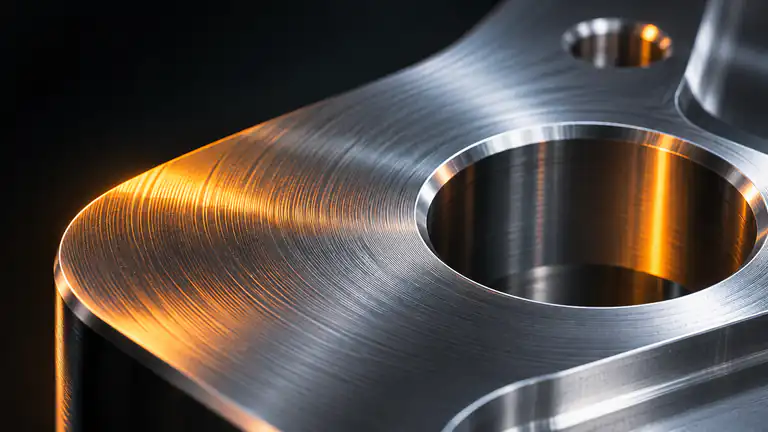
- Bearing bores and pilots machined with mounting faces
- Copper heat spreaders milled flat for contact
- Light 6061-T6 and 7075-T6 arm links
- CMM-checked bolt circles and bore positions
Item ref. 1601673114230 ·
| Process | CNC milling (3/4/5-axis), CNC turning, drilling and tapping |
|---|---|
| Materials | Aluminum 6061-T6, 7075-T6; copper C11000; stainless steel 303, 304 |
| Tolerance | ±0.05 mm standard; down to ±0.005 mm on critical features |
| Surface Finish | Anodizing, nickel plating, passivation |
| Typical Parts | Joint housings, motor mounts, heat spreaders, fingers |
| MOQ | 1 piece; prototypes through mid-volume |
| Drawing Formats | STEP, IGES, X_T, STL, DWG, DXF, PDF |
| Lead Time | Prototypes typically 3–7 working days; production 10–20 |
| Inspection | First-article, in-process and CMM checks; reports on request |
Manufacturing
How we make this part
Process, material options and inspection for cnc milled copper and aluminum robotics components.
Robot joints stack bearings, gear reducers and motors in a tight space, so bore concentricity and face perpendicularity decide how smoothly a joint runs. We machine bearing bores and reducer pilot diameters in the same setup as their mounting faces. Copper heat spreaders are face-milled for flatness so they make full contact with power electronics, and gripper fingers are profiled to match the parts they handle.
6061-T6 and 7075-T6 aluminum keep arm links and housings light, reducing the torque each motor must provide. Copper C11000 conducts heat around 390 W/m·K, more than twice aluminum, making it the material of choice for heat spreaders, though it is heavier and harder to machine. Stainless steel 303 or 304 is used for shafts and pins. Aluminum is typically anodized; copper can be nickel plated.
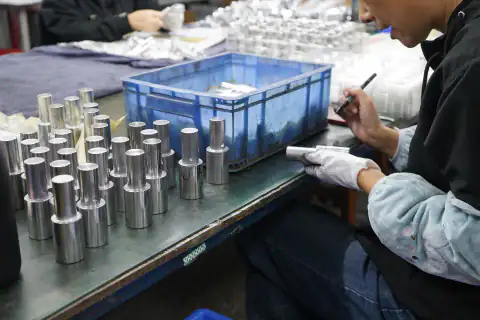
Bearing bores, reducer pilots and bolt circles are checked on a CMM, and flatness of thermal faces is measured before shipment. A first-article report covers all drawing dimensions. Typical applications include collaborative robot joint housings, SCARA arm links, AGV drive brackets, servo-drive heat spreaders, end-effector bodies and linear actuator end caps.
FAQ
Frequently asked questions
Why use copper instead of aluminum for a heat spreader?
Copper conducts heat roughly 2.3 times better than 6061 aluminum, so it moves heat away from hot spots faster. The trade-offs are higher weight, higher cost and slower machining. Aluminum is enough for many designs; copper is worth it where power density is high.
How do you keep robot joint bores concentric?
We machine all bearing bores and reducer pilots referenced to the same datum, ideally in one setup, so there is no re-clamping error. Concentricity and perpendicularity are then measured on a CMM, and results are included in the inspection report.
How do I get a quote for cnc milled copper and aluminum robotics components?
Send a 3D model (STEP or IGES) and a 2D drawing with tolerances, material, finish and quantity through the quote form or by email. An engineer replies within 24 hours on business days with price, lead time and any DFM suggestions.
Request a quote
Quote this part
Attach drawings or send several parts at once from the full quote form.
- Emailinquiry@machined-parts-factory.com
- WhatsApp+86 176 2154 1688
- Phone+86 176 2154 1688
- HoursMon–Sat, 08:30–18:00 China Standard Time (UTC+8)