Stamped Stainless and Aluminum Parts With CNC Drilling
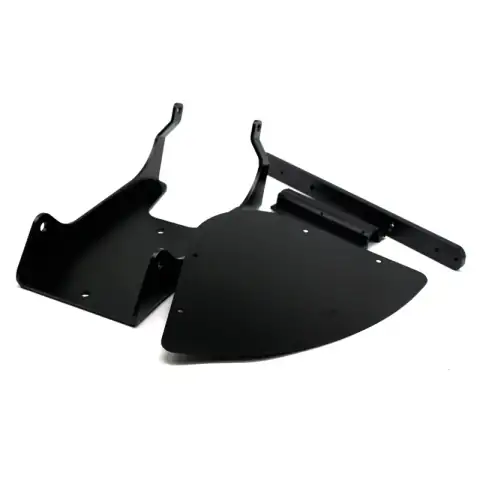
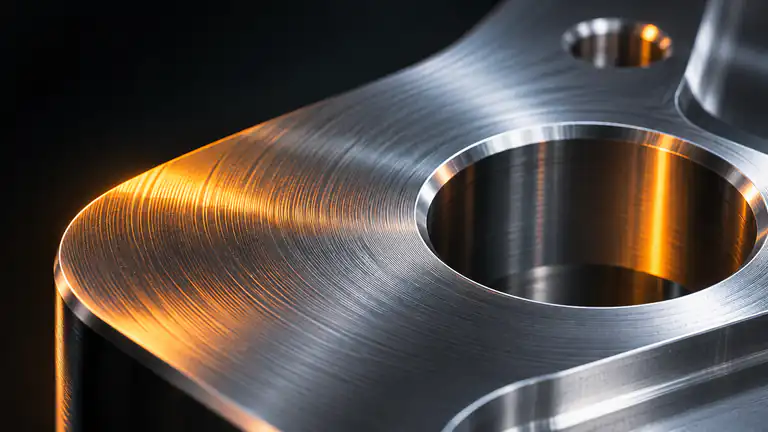
These are sheet metal parts in stainless steel and aluminum that are stamped and bent, then CNC drilled, tapped or machined to add precise holes and features. The combination gives the low unit cost of stamping with the accuracy of machining where it matters. They suit OEMs needing brackets, plates and chassis parts with tight hole positions across formed shapes.
- Material
- Stainless Steel
- Tolerance
- to ±0.005 mm
- MOQ
- 1 piece
- Prototype lead time
- 3–7 days
- Holes drilled after forming for accurate position
- Stamping cost with machining precision
- Extruded holes or clinch nuts for strong threads
- CMM true-position check on drilled holes
Item ref. 1601298735892 ·
| Process | Stamping, CNC bending, CNC drilling and tapping |
|---|---|
| Materials | Stainless steel 304; aluminum 5052 |
| Tolerance | ±0.05 mm on machined holes; bends typically ±0.2 mm |
| Surface Finish | Brushing, anodizing, powder coating, passivation |
| MOQ | 1 piece |
| Drawing Formats | STEP, IGES, X_T, STL, DWG, DXF, PDF |
| Lead Time | Prototypes ~3–7 working days; production typically 10–20 working days |
| Inspection | First-article + 100% critical-dimension inspection; CMM report on request |
| Drawing Formats Accepted | DWG, DXF, IGES, STEP, PDF |
Manufacturing
How we make this part
Process, material options and inspection for stamped stainless and aluminum parts with cnc drilling.
Stamping produces the blank and forms quickly, but hole positions across bends shift with material springback. By drilling and tapping critical holes after forming, on CNC machining centers with dedicated fixtures, we hold positions independent of bend variation. Countersinks, counterbores and threaded holes are added in the same operation. Prototype quantities use laser-cut blanks and press-brake forming before dies exist.
304 stainless offers strength and corrosion resistance and work-hardens during stamping, which slightly increases its stiffness. Aluminum 5052 forms easily and is lighter; anodizing or powder coating protects it. Taps in thin sheet engage few threads, so extruded holes or self-clinching nuts are better for load-bearing screws. Finishes are applied after machining.
Formed parts are checked on fixtures for form, and drilled holes on CMM for true position. Threads are gauged. Critical dimensions are 100% inspected. Typical uses include motor brackets, mounting plates with precise patterns, chassis rails, hinge plates and electronic module carriers. Fixtures used for drilling are retained so repeat batches hold the same positions.
FAQ
Frequently asked questions
Why drill holes after bending instead of punching them first?
Bending introduces variation from springback and material thickness, so pre-punched holes on different flanges can drift relative to each other. Drilling after forming, with the part located on a fixture, puts holes exactly where the drawing requires regardless of bend variation.
Can thin sheet metal hold a tapped thread?
Thin sheet engages only a thread or two, which strips easily. For stronger threads, we form extruded holes that add material, or press in self-clinching nuts or studs. Choose based on load, thickness and how often the screw is removed.
How do I get a quote for stamped stainless and aluminum parts with cnc drilling?
Send a 3D model (STEP or IGES) and a 2D drawing with tolerances, material, finish and quantity through the quote form or by email. An engineer replies within 24 hours on business days with price, lead time and any DFM suggestions.
Request a quote
Quote this part
Attach drawings or send several parts at once from the full quote form.
- Emailinquiry@machined-parts-factory.com
- WhatsApp+86 176 2154 1688
- Phone+86 176 2154 1688
- HoursMon–Sat, 08:30–18:00 China Standard Time (UTC+8)