Ultra-Precision CNC Machined Brass and Copper Components
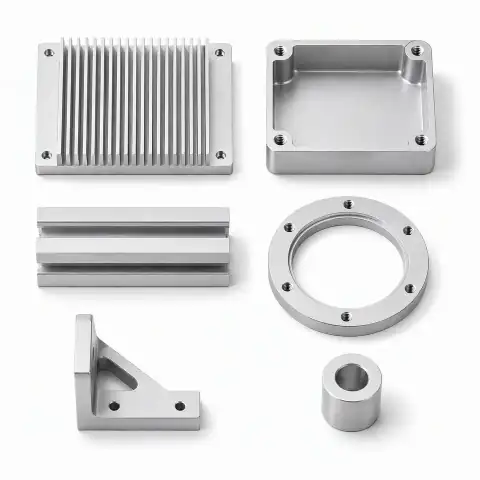
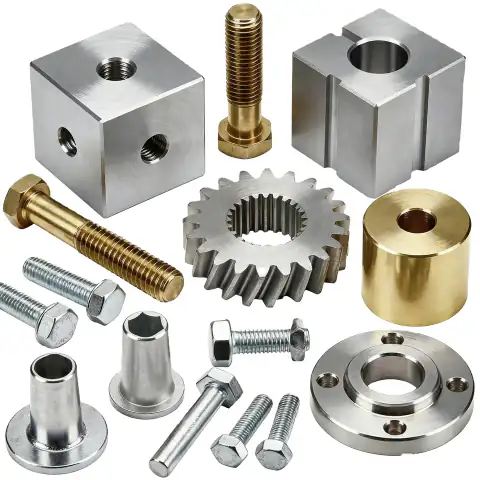
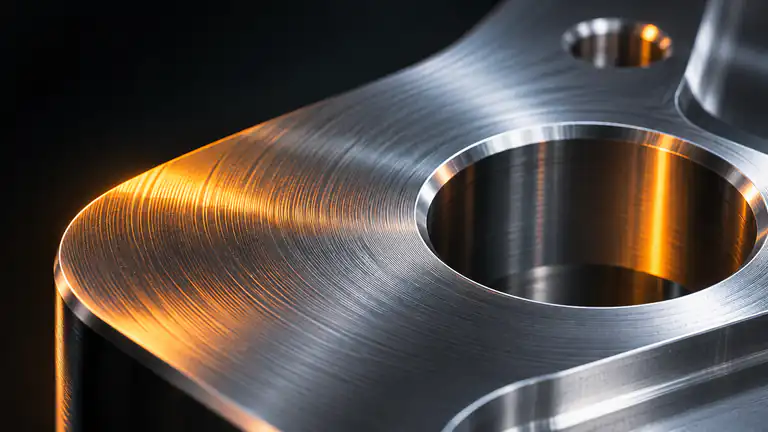
These are high-precision brass and copper components for complex assemblies, such as valve bodies, connector pins, RF contacts, manifolds and electrode parts. They are CNC milled and turned with critical features held down to ±0.005 mm, then deburred and inspected on a CMM. They serve engineers in electronics, instrumentation and fluid control who need tight fits in conductive or free-machining metals.
- Material
- Brass
- Tolerance
- to ±0.005 mm
- MOQ
- 1 piece
- Prototype lead time
- 3–7 days
- Critical features held down to ±0.005 mm
- Final pass after roughing and stabilization
- C36000 brass, C11000 copper and bronze
- CMM reports and material certificates available
Item ref. 1601616013617 ·
| Process | CNC milling, CNC turning, precision deburring |
|---|---|
| Materials | Brass C36000/H59/H62; copper C11000; bronze |
| Tolerance | Down to ±0.005 mm on critical features; ±0.05 mm general |
| Surface Finish | As-machined, nickel electroplating, polishing |
| Typical Parts | Valve bodies, contacts, manifolds, electrodes |
| MOQ | 1 piece; prototypes through mid-volume |
| Drawing Formats | STEP, IGES, X_T, STL, DWG, DXF, PDF |
| Lead Time | Prototypes typically 3–7 working days; production 10–20 |
| Inspection | First-article, in-process and CMM checks; reports on request |
Manufacturing
How we make this part
Process, material options and inspection for ultra-precision cnc machined brass and copper components.
Holding ±0.005 mm is not just about the machine; it depends on thermal stability, tool wear and fixturing. We finish critical features in a final light pass after the part has been roughed and allowed to stabilize, and we measure in a temperature-controlled environment. Fine deburring follows, because burrs a few microns high can affect fits in precision assemblies or electrical contact.
C36000 free-cutting brass is the easiest metal to hold close tolerances in, as it breaks chips cleanly and has low cutting forces. Pure copper (C11000) is much gummier, needs very sharp tools and is chosen when electrical or thermal conductivity matters most. Bronze is used for wear surfaces. Finishes include nickel or gold-type plating for contacts and passivation-type cleaning for brass.
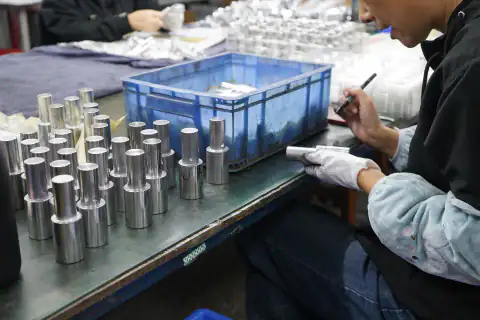
Every critical dimension is measured before shipment, using CMM for positional features and gauges or micrometers for bores and diameters. Inspection reports and material certificates are available, and a first-article report documents the full drawing before production begins. Typical uses include precision connector pins, coaxial RF components, hydraulic valve spools, sensor electrodes, cooling manifolds and instrument mechanisms.
FAQ
Frequently asked questions
Why is brass easier to machine precisely than copper?
Free-cutting brass such as C36000 contains lead or similar additives that break chips into small pieces and reduce cutting force, so tools stay sharp and surfaces stay clean. Pure copper is soft and gummy, smearing on the tool, which makes tight tolerances and fine finishes harder to hold.
Can every dimension be held to ±0.005 mm?
It is possible but rarely necessary, and it adds cost and inspection time. We recommend applying ±0.005 mm only to functional fits, such as pin diameters or bore positions, and using ±0.05 mm elsewhere. That keeps the part affordable while protecting what matters.
How do I get a quote for ultra-precision cnc machined brass and copper components?
Send a 3D model (STEP or IGES) and a 2D drawing with tolerances, material, finish and quantity through the quote form or by email. An engineer replies within 24 hours on business days with price, lead time and any DFM suggestions.
Request a quote
Quote this part
Attach drawings or send several parts at once from the full quote form.
- Emailinquiry@machined-parts-factory.com
- WhatsApp+86 176 2154 1688
- Phone+86 176 2154 1688
- HoursMon–Sat, 08:30–18:00 China Standard Time (UTC+8)