Wire EDM and CNC Milled Parts for Electronic Assemblies
These are precision metal parts for electronic assemblies made by combining CNC milling, turning and wire EDM. Typical items are contact springs, lead-frame prototypes, test fixture pins and plates, shielding frames and heat spreaders. Wire EDM cuts fine profiles in thin or hardened material without burrs. The service suits electronics engineers and test equipment builders.
- Material
- Stainless Steel
- Tolerance
- to ±0.005 mm
- MOQ
- 1 piece
- Prototype lead time
- 3–7 days
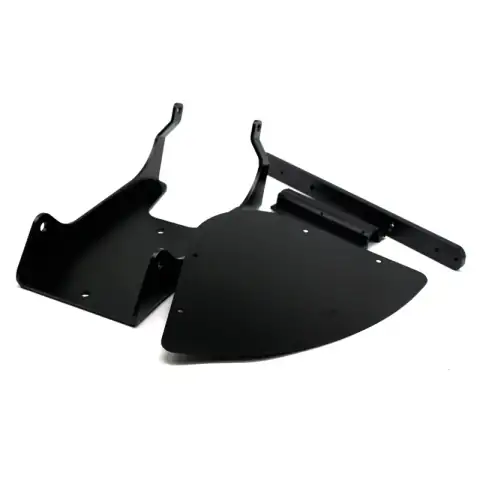
- Stack-cut EDM profiles for prototype contacts
- Fixture plates with precise probe hole patterns
- Burr-free EDM edges reduce short-circuit risk
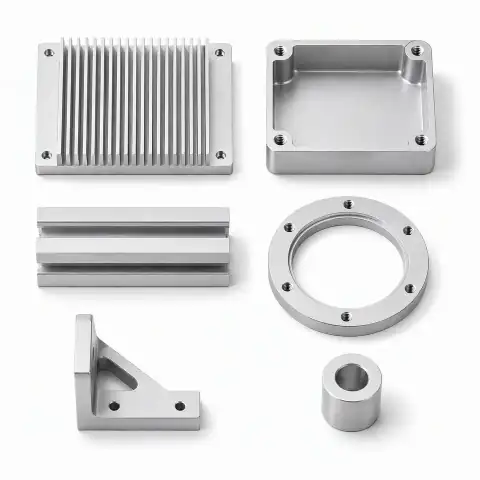
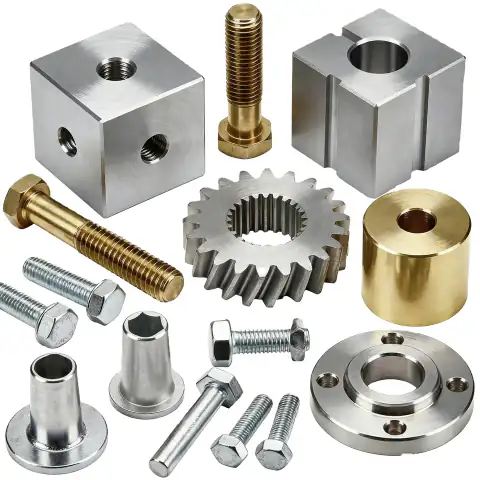
- Copper, brass, stainless and aluminum parts
Item ref. 1601363535508 ·
| Process | Wire EDM, CNC milling, CNC turning |
|---|---|
| Materials | Stainless steel 301/17-4PH, copper, brass, aluminum 6061 |
| Surface Finish | As machined, nickel or tin plating, passivation, anodizing |
| Tolerance | ±0.05 mm standard; down to ±0.005 mm on critical features |
| MOQ | 1 piece; prototypes through mid-volume runs |
| Drawing Formats | STEP, IGES, X_T, STL, DWG, DXF, PDF |
| Lead Time | Prototypes typically 3–7 working days; production usually 10–20 |
| Inspection | FAI, in-process checks, 100% critical dimensions; CMM |
Manufacturing
How we make this part
Process, material options and inspection for wire edm and cnc milled parts for electronic assemblies.
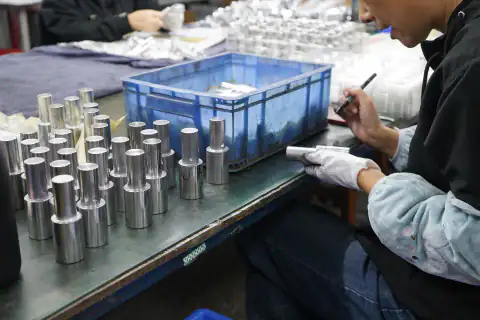
Thin sheets or plates are stacked and cut by wire EDM to produce several identical profiles at once, which suits prototype contacts and lead frames before stamping tools are made. Milling machines produce fixture plates with many precise holes for test probes. Turned parts such as probe sleeves and guide pins come from CNC lathes.
Stainless steel 301 or 17-4PH works for spring contacts and clips; copper and brass for conductive parts and heat spreaders; aluminum for fixture plates and enclosures. Copper alloys can be plated with nickel, tin or gold-type finishes. EDM surfaces are matte and burr-free, which avoids the edge burrs that can cause shorts in assemblies.
Hole positions on fixture plates are checked with CMM; EDM profiles with optical comparators. Critical dimensions are inspected before shipping, and parts are cleaned and packed to avoid contamination. Common uses include test fixture plates, pogo pin holders, contact spring prototypes, shielding frames, heat spreaders and alignment jigs for PCB assembly lines.
FAQ
Frequently asked questions
Can wire EDM replace stamping for prototype contacts?
Yes, for prototypes and low volumes. Wire EDM can cut flat contact profiles from thin sheet without a stamping die, and stacking sheets produces several parts per cut. Forming bends may still need simple tools. Once the design is final, stamping is cheaper for high volumes.
How accurate are hole patterns on test fixture plates?
Hole positions are typically held to ±0.01–0.02 mm on critical patterns, with diameters matched to the probe or receptacle maker's recommendation. We machine in a stable environment and check positions with CMM. Provide the probe specification so we can choose drill and ream sizes.
How do I get a quote for wire edm and cnc milled parts for electronic assemblies?
Send a 3D model (STEP or IGES) and a 2D drawing with tolerances, material, finish and quantity through the quote form or by email. An engineer replies within 24 hours on business days with price, lead time and any DFM suggestions.
Request a quote
Quote this part
Attach drawings or send several parts at once from the full quote form.
- Emailinquiry@machined-parts-factory.com
- WhatsApp+86 176 2154 1688
- Phone+86 176 2154 1688
- HoursMon–Sat, 08:30–18:00 China Standard Time (UTC+8)