Wire EDM and Multi-Axis Machined Appliance Steel Parts
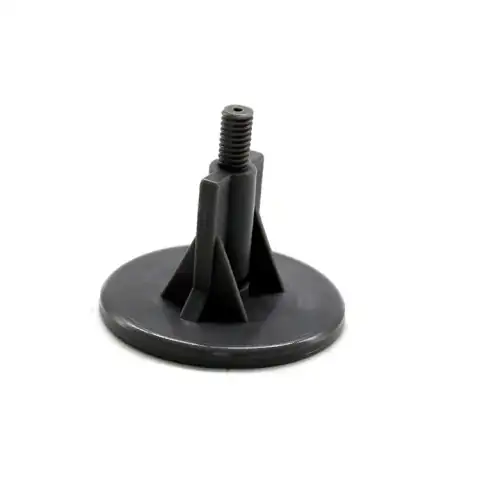
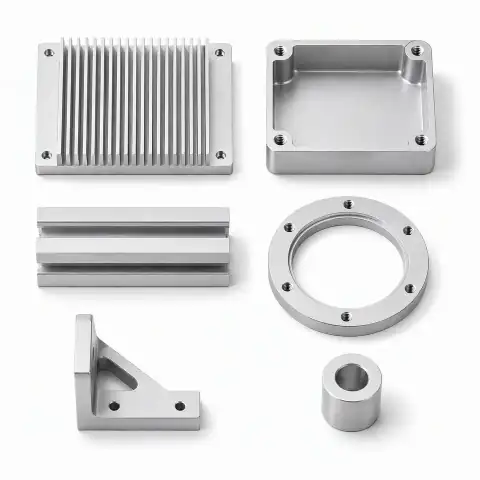
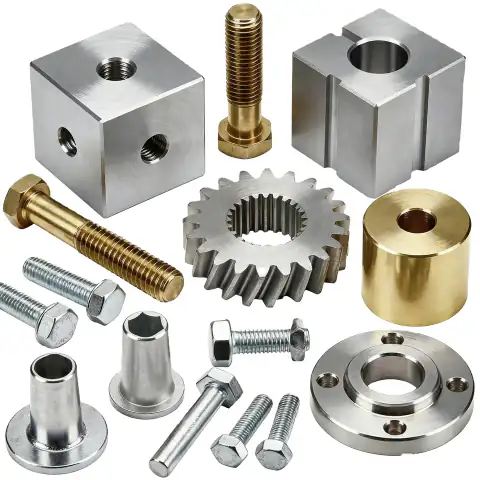
These are steel and stainless steel parts for household appliances made by 3-, 4- and 5-axis CNC machining combined with wire EDM. Typical parts include blender and grinder blades, small gears, door latches, motor shafts, cams and mold inserts for appliance plastics. They suit appliance manufacturers and engineering teams developing new products or replacing worn parts in existing designs.
- Material
- Stainless Steel
- Tolerance
- to ±0.005 mm
- MOQ
- 1 piece
- Prototype lead time
- 3–7 days
- Wire EDM blade and cam profiles in hardened steel
- Prototype gears cut without hobbing tools
- Food-contact parts passivated and degreased
- Mold inserts for appliance plastic parts
Item ref. 11000031625287 ·
| Process | 3-, 4- and 5-axis CNC milling, wire EDM, CNC turning, grinding |
|---|---|
| Materials | Stainless steel 420/304, carbon steel 1045, alloy steel, aluminum |
| Surface Finish | Passivation, black oxide, zinc plating, polishing |
| Tolerance | ±0.05 mm standard; down to ±0.005 mm on critical features |
| MOQ | 1 piece; prototypes through mid-volume runs |
| Drawing Formats | STEP, IGES, X_T, STL, DWG, DXF, PDF |
| Lead Time | Prototypes typically 3–7 working days; production usually 10–20 |
| Inspection | FAI, in-process checks, 100% critical dimensions; CMM |
Manufacturing
How we make this part
Process, material options and inspection for wire edm and multi-axis machined appliance steel parts.
Blades and cams are profiled by wire EDM from hardened stainless, then edges are ground or honed. Gears can be EDM cut for prototypes or small runs without hobbing tools. Motor shafts are turned and ground, and latches are milled on 4-axis machines. Mold inserts for appliance plastic parts are also produced here, with EDM used for ribs and sharp corners.
Martensitic stainless steels such as 420 can be hardened for blades; 304 is used for food-contact parts that do not need hardness. Carbon steel 1045 and alloy steels suit gears and shafts, protected by black oxide or zinc plating. Aluminum is used for lightweight housings. Food-contact parts are passivated and cleaned of machining oil.
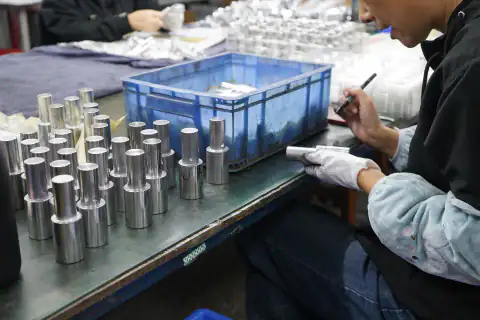
Blade profiles, gear teeth and shaft diameters are inspected with optical comparators, gear gauges and micrometers. Hardness is verified on heat-treated parts. Critical dimensions are checked on every lot. Common products include blender blades, coffee grinder burrs, mixer gears, washer latches, motor shafts and mold inserts for appliance housings and knobs.
FAQ
Frequently asked questions
Can you make prototype appliance gears by wire EDM?
Yes. Wire EDM can cut spur gear profiles accurately from plate, which is ideal for prototypes and small runs before investing in hobbing or molding tools. Helical gears and very fine pitches require other methods. Provide the gear data such as module, tooth count and profile.
Which stainless steel is used for blender blades?
Hardenable martensitic grades such as 420 or similar are common because they can be heat treated for edge retention. 304 is more corrosion resistant but cannot be hardened by heat treatment, so it dulls faster. Final edge treatment and food-contact requirements should be on the drawing.
How do I get a quote for wire edm and multi-axis machined appliance steel parts?
Send a 3D model (STEP or IGES) and a 2D drawing with tolerances, material, finish and quantity through the quote form or by email. An engineer replies within 24 hours on business days with price, lead time and any DFM suggestions.
Request a quote
Quote this part
Attach drawings or send several parts at once from the full quote form.
- Emailinquiry@machined-parts-factory.com
- WhatsApp+86 176 2154 1688
- Phone+86 176 2154 1688
- HoursMon–Sat, 08:30–18:00 China Standard Time (UTC+8)