Laser Cut and Bent Aluminum Sheet Metal Brackets
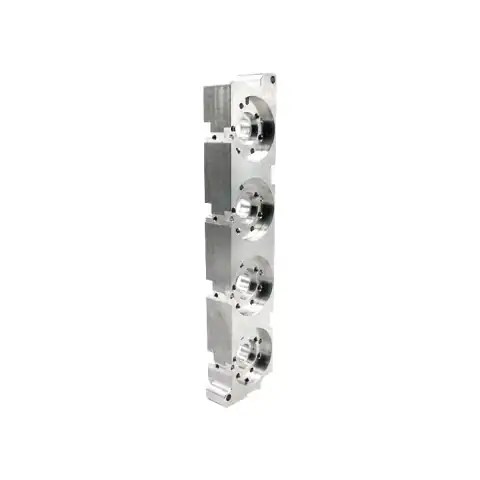
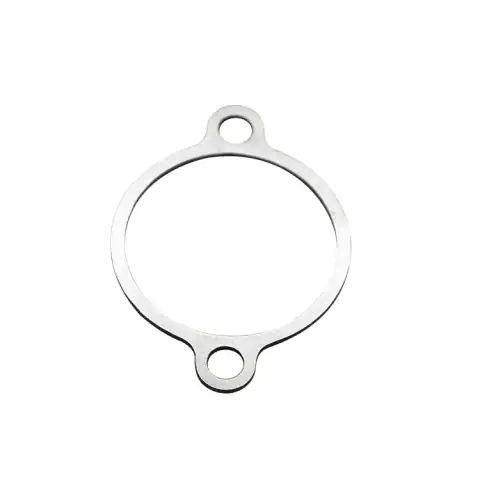
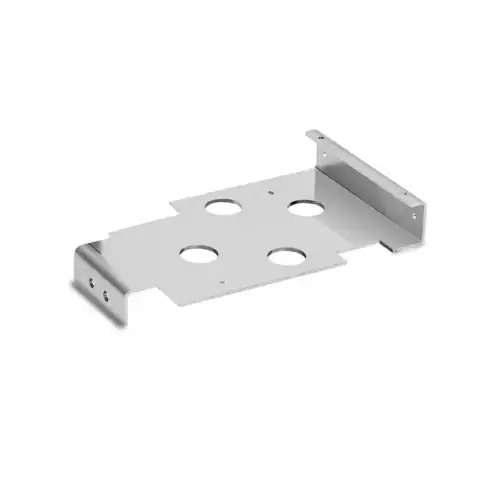
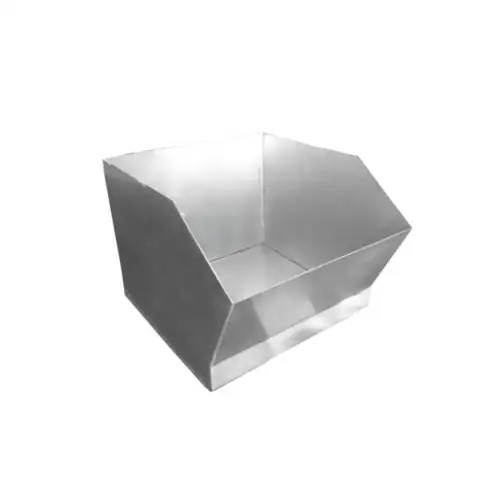
These are custom sheet metal brackets, angles, clips and supports made by fiber laser cutting and CNC press-brake bending in aluminum (5052, 6061) or stainless steel. Parts can be anodized, polished or sandblasted, and critical holes held to tighter tolerance by secondary machining. They are for product and equipment designers who need affordable brackets without stamping dies.
- Material
- Aluminum
- Tolerance
- to ±0.005 mm
- MOQ
- 1 piece
- Prototype lead time
- 3–7 days
- Fiber laser cut, CNC press-brake bent
- 5052 for tight bends, 6061 for strength
- No stamping die needed for small batches
- Bend angle and hole check at first article
Item ref. 11000007818189 ·
| Process | Laser cutting, CNC bending |
|---|---|
| Materials | Aluminum 5052, 6061; stainless steel 304 |
| Tolerance | Laser-cut profiles typically ±0.1 mm; critical holes tighter by secondary machining |
| Surface Finish | Anodizing, polishing, sandblasting, brushing |
| MOQ | 1 piece |
| Drawing Formats | STEP, IGES, X_T, STL, DWG, DXF, PDF |
| Lead Time | Prototypes ~3–7 working days; production typically 10–20 working days |
| Inspection | First-article + 100% critical-dimension inspection; CMM report on request |
| Drawing Formats | DWG, DXF, IGES, STEP, PDF |
Manufacturing
How we make this part
Process, material options and inspection for laser cut and bent aluminum sheet metal brackets.
Flat patterns are generated from your 3D model with bend allowances for the specific sheet and tooling, then cut by fiber laser. Bending on CNC press brakes with back-gauges repeats angles and flange lengths accurately across a batch. Holes that must align across bends can be laser cut after bending or finished by drilling, which avoids stack-up from bend tolerance. Edges are deburred before finishing.
5052 aluminum is the preferred bending grade because it forms tight radii without cracking; 6061-T6 is stronger but needs larger bend radii. Stainless 304 is used for corrosion resistance and strength, typically finished by brushing, polishing or passivation. Anodizing suits aluminum brackets; sandblasting before anodize gives an even matte look. Minimum flange length and bend radius are reviewed against sheet thickness.
First articles are checked for bend angles with protractors and gauges, flange lengths and hole positions against the drawing. Critical dimensions are 100% inspected before shipment. Typical uses include PCB mounting brackets, sensor and camera brackets, DIN-rail supports, cable trays and furniture brackets, ordered either as loose parts or kitted with hardware for assembly.
FAQ
Frequently asked questions
Which aluminum grade is best for bent brackets?
5052-H32 is the usual choice: it bends to tight radii without cracking and resists corrosion well. 6061-T6 is stronger but can crack on tight bends, so it needs a larger inside radius. If strength is critical and bends are tight, consider stainless steel or a thicker 5052 sheet.
How accurate are laser cut and bent parts?
Laser-cut profiles are typically within about ±0.1 mm, and bent flanges usually ±0.2 mm depending on material and thickness. Where holes must align more precisely across bends, we add secondary drilling or machining after forming to hit tighter positions.
How do I get a quote for laser cut and bent aluminum sheet metal brackets?
Send a 3D model (STEP or IGES) and a 2D drawing with tolerances, material, finish and quantity through the quote form or by email. An engineer replies within 24 hours on business days with price, lead time and any DFM suggestions.
Request a quote
Quote this part
Attach drawings or send several parts at once from the full quote form.
- Emailinquiry@machined-parts-factory.com
- WhatsApp+86 176 2154 1688
- Phone+86 176 2154 1688
- HoursMon–Sat, 08:30–18:00 China Standard Time (UTC+8)