Sheet Metal Parts with Secondary CNC Machining
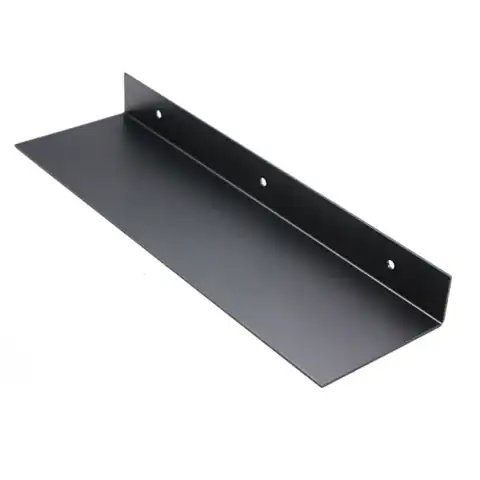
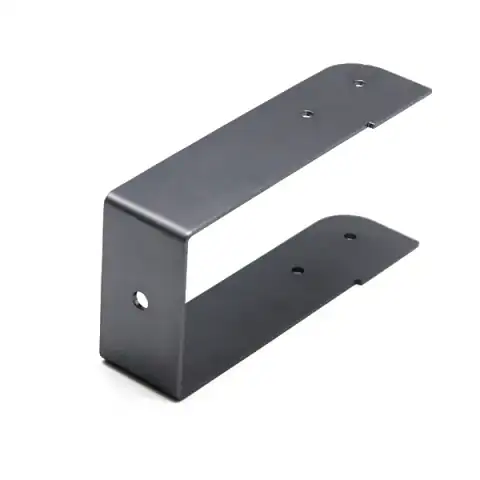
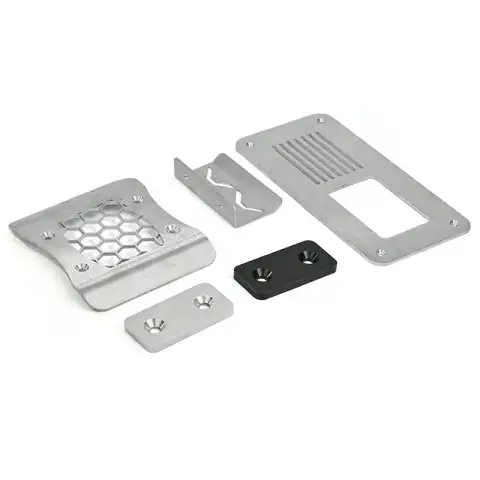
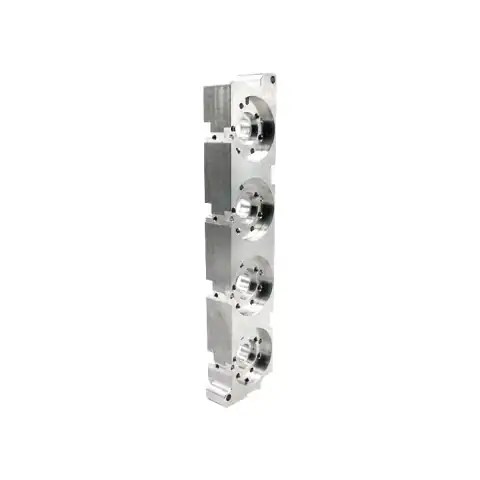
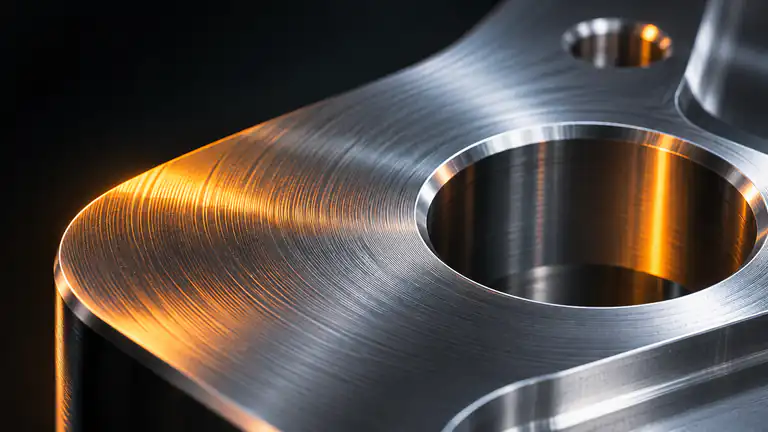
These are fabricated sheet metal parts that receive secondary CNC machining for features bending cannot hold: precision bores, counterbores, threaded holes, milled pockets and flat datum faces. Parts are cut and formed from aluminum, stainless steel or brass sheet, then machined and finished. This hybrid approach serves industrial buyers who want sheet metal economy with machined accuracy where it counts.
- Material
- Aluminum
- Tolerance
- to ±0.005 mm
- MOQ
- 1 piece
- Prototype lead time
- 3–7 days
- Form first, then machine critical features
- Bores and holes referenced to the finished shape
- Aluminum, stainless steel or brass sheet
- Staged QC from flat blank to finished part
Item ref. 1601668832359 ·
| Process | Laser cutting, bending, secondary CNC milling, drilling and tapping |
|---|---|
| Materials | Aluminum 5052, 6061; stainless steel 304; brass |
| Tolerance | ±0.05 mm machined; down to ±0.005 mm on critical machined features |
| Surface Finish | Brushing, anodizing, powder coating, electroplating |
| Typical Parts | Motor brackets, bearing plates, busbar brackets |
| MOQ | 1 piece; prototypes through mid-volume |
| Drawing Formats | STEP, IGES, X_T, STL, DWG, DXF, PDF |
| Lead Time | Prototypes typically 3–7 working days; production 10–20 |
| Inspection | First-article, in-process and CMM checks; reports on request |
Manufacturing
How we make this part
Process, material options and inspection for sheet metal parts with secondary cnc machining.
Sheet metal tolerances are limited by bend variation, typically wider than machined features. When a bracket needs a bearing bore or two holes that must align across a bend, we form the part first and then machine those features with the part clamped in a fixture. That way the final positions are referenced to the finished shape, not to the flat pattern.
Aluminum 5052 forms well and machines easily, while thicker 6061 plate parts may be partly bent and partly milled. 304 stainless gives strength and corrosion resistance but is slower to machine. Brass sheet suits electrical and decorative parts. Brushing, anodizing, powder coating and electroplating are available, applied after machining so machined faces are protected too.
Machined features are checked with CMM, height gauges and thread gauges, while formed features are checked against bend tolerances on the drawing. Inspection follows staged QC steps from flat blank to finished part. Typical uses include motor mounting brackets, gearbox covers, bearing support plates, busbar brackets and sensor mounts for industrial equipment.
FAQ
Frequently asked questions
Why machine a sheet metal part after bending?
Bending introduces small variations in angle and flange length. If two holes must line up across a bend or a bore must be precisely located, machining after forming references them to the real part shape, giving much better accuracy than punching or cutting them in the flat.
Is a hybrid sheet metal part cheaper than a fully machined one?
Usually yes, especially for larger brackets and covers. Bent sheet uses far less material and machine time than milling from solid. Adding a few machined features costs less than machining the whole part, while still meeting tight tolerances where needed.
How do I get a quote for sheet metal parts with secondary cnc machining?
Send a 3D model (STEP or IGES) and a 2D drawing with tolerances, material, finish and quantity through the quote form or by email. An engineer replies within 24 hours on business days with price, lead time and any DFM suggestions.
Request a quote
Quote this part
Attach drawings or send several parts at once from the full quote form.
- Emailinquiry@machined-parts-factory.com
- WhatsApp+86 176 2154 1688
- Phone+86 176 2154 1688
- HoursMon–Sat, 08:30–18:00 China Standard Time (UTC+8)