Stamped and Spot-Welded Stainless Steel Assemblies
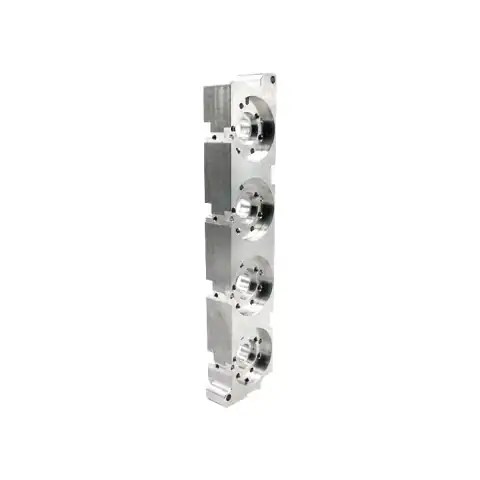
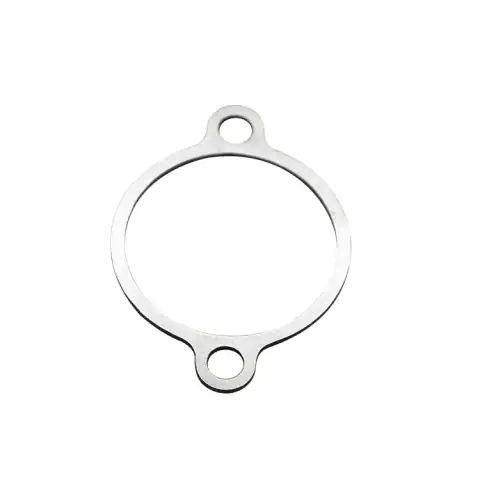
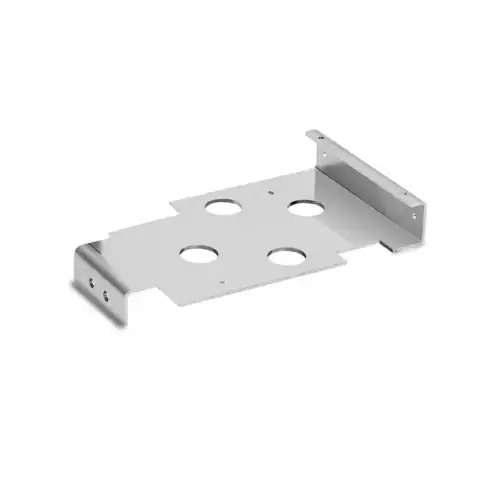
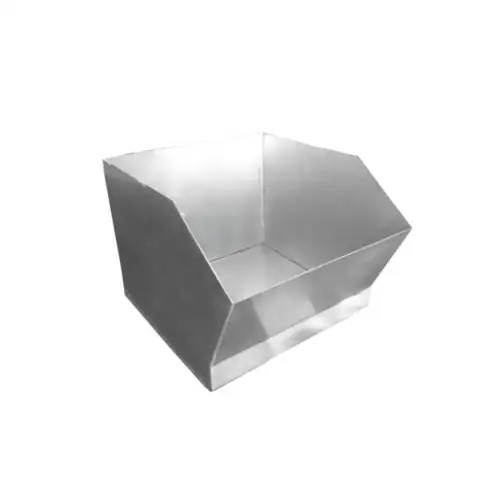
These are multi-part sheet metal assemblies made by stamping or laser cutting, bending and joining by spot welding, TIG welding or riveting. Stainless steel is the main material, with aluminum available. Studs, nuts and hinges can be inserted to deliver a ready-to-install assembly. They are for appliance, equipment and enclosure makers who want fewer suppliers and fewer assembly steps on their own line.
- Material
- Stainless Steel
- Tolerance
- to ±0.005 mm
- MOQ
- 1 piece
- Prototype lead time
- 3–7 days
- Spot welding for fast, low-distortion joints
- TIG seams where sealing or looks matter
- Hardware inserted for ready-to-install delivery
- Peel tests verify spot-weld strength
Item ref. 11000024612218 ·
| Process | Stamping/laser cutting, CNC bending, spot and TIG welding |
|---|---|
| Materials | Stainless steel 304; aluminum 5052 |
| Tolerance | Laser-cut profiles typically ±0.1 mm; bends typically ±0.2 mm; machined features ±0.05 mm |
| Surface Finish | Brushing, passivation, powder coating |
| MOQ | 1 piece |
| Drawing Formats | STEP, IGES, X_T, STL, DWG, DXF, PDF |
| Lead Time | Prototypes ~3–7 working days; production typically 10–20 working days |
| Inspection | First-article + 100% critical-dimension inspection; CMM report on request |
| Drawing Formats | DWG, DXF, IGES, STEP, PDF |
Manufacturing
How we make this part
Process, material options and inspection for stamped and spot-welded stainless steel assemblies.
Spot welding joins overlapping sheets with localized resistance heating and no filler, so it is fast and leaves little distortion, which suits brackets, channels and box sections. TIG welding is used for continuous seams that must seal or look clean. Each assembly is built in a fixture so parts register to the same datums, and hardware is pressed in before or after joining depending on access.
304 stainless gives strength and corrosion resistance and spot welds reliably; marks can be brushed out on visible faces. Aluminum spot welding needs higher current and is less consistent, so riveting or TIG welding is often better for aluminum assemblies. Finishes include brushing, passivation and powder coating. Where welding heat affects appearance, joint placement on hidden faces is recommended at design stage.
Assemblies are checked against the drawing in fixtures for hole positions and overall form, and spot-weld strength is verified by destructive peel tests on sample parts. Critical dimensions are 100% inspected. Typical uses include appliance inner frames, enclosure sub-frames, mounting rails, battery holders, commercial kitchen equipment brackets and control cabinet sub-plates.
FAQ
Frequently asked questions
Spot welding or TIG welding for my assembly?
Spot welding is faster and causes less distortion, ideal for overlapping flanges in brackets and frames. TIG welding is needed for continuous seams, edge or corner joints, watertight seams and cosmetic weld lines. Many assemblies use both, matched to each joint's function.
Can you deliver assemblies with hardware already installed?
Yes. We press in self-clinching nuts, studs and standoffs and can fit hinges, latches or rivets so the assembly arrives ready to install. List the hardware part numbers or specifications and we will include them in the quote.
How do I get a quote for stamped and spot-welded stainless steel assemblies?
Send a 3D model (STEP or IGES) and a 2D drawing with tolerances, material, finish and quantity through the quote form or by email. An engineer replies within 24 hours on business days with price, lead time and any DFM suggestions.
Request a quote
Quote this part
Attach drawings or send several parts at once from the full quote form.
- Emailinquiry@machined-parts-factory.com
- WhatsApp+86 176 2154 1688
- Phone+86 176 2154 1688
- HoursMon–Sat, 08:30–18:00 China Standard Time (UTC+8)